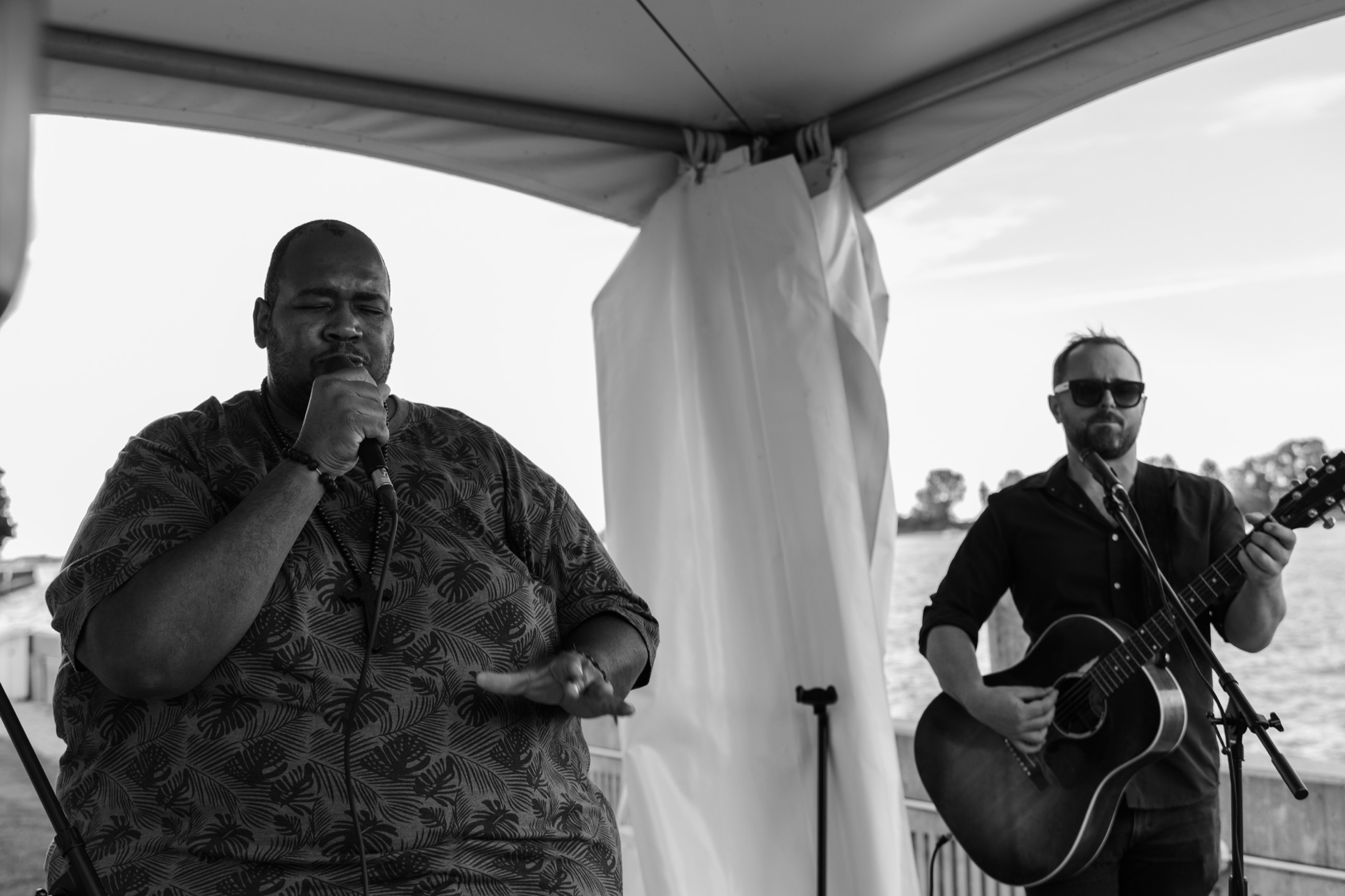
Candid event photography for commercial clients
Corporate events, conventions, nightlife rooms, western programs, sponsor activations, hospitality events, and destination assignments. Candid-first coverage built for the organizers, venues, brands, and producers who need the room to read editorial and still deliver commercially — including bilingual and cross-border assignments. By Brian Mullin. Underneath every lane is the same instinct: anticipation — position chosen before the moment breaks, which is why the frames come back candid and usable.
Build Your Estimate →
At a glance
Pause Studios is a candid-first corporate event, concert, and convention photographer led by Brian Mullin, based in Windsor, Ontario and available across 17 active markets in the US, Canada, and Mexico — including Detroit, Toronto, Chicago, New York, Los Angeles, Cleveland, Columbus, and Mexico City. The strongest fits are conventions, sponsor activations, nightlife and hospitality environments, western or rodeo-adjacent rooms, corporate gatherings, and destination events where the recap has to be commercially usable.
Event coverage starts at $800 for up to 4 hours of focused coverage, $1,800 for a full day (up to 8 hours), and $2,800 for premium full-day with no time cap. Add-ons: rush delivery (+$400), extended coverage +2h (+$550), full commercial license (+$900).
Standard delivery is 5–7 business days to a private online gallery. Brian responds to inquiries within 24 hours. Confidentiality and NDA coverage available on request. See full pricing or build a custom estimate.
Commercial fit
01
Leadership summits, annual meetings, company milestones, and executive-facing rooms. Best paired with corporate coverage, city planning in Detroit or Toronto, and a direct estimate build.
02
Multi-day fandom rooms, celebrity appearances, vendor floors, and panel stages. Start with convention photography, then see proof in GalaxyCon Columbus and Fan Expo Cleveland.
03
Guest energy, host moments, DJ rooms, and hospitality environments that still need to feel premium. Best supported by nightlife, hospitality, and New York entertainment proof like Jersey Shore NYC.
04
Arena dust, sponsor banners, western fundraisers, and community-rooted rooms. Start with western events, the western & rodeo cluster, and proof from WETRA Blue Jean Bash.
05
Retreats, resort programming, hospitality launches, and multi-day travel assignments. Use destination coverage for the service frame, then route into Cancún, Puerto Rico, or pricing.
06
Concerts, artist appearances, premieres, and stage-led rooms. Pair entertainment coverage with live event coverage for work that needs both atmosphere and talent-facing proof.
07
Partner decks, branded environments, recap assets, and experiential moments. The strongest lane is brand activation photography, with adjacent support from experiential marketing and automotive proof like BMW M6 Southfield.
08
Assignments that move between Windsor, Detroit, Toronto, Mexico, and the Caribbean. Bilingual coverage and Latino-event positioning support teams that need clean communication as much as strong images.
Have a date in mind? Reach out now — Brian responds within 24 hours.
Build Your Estimate →Event work
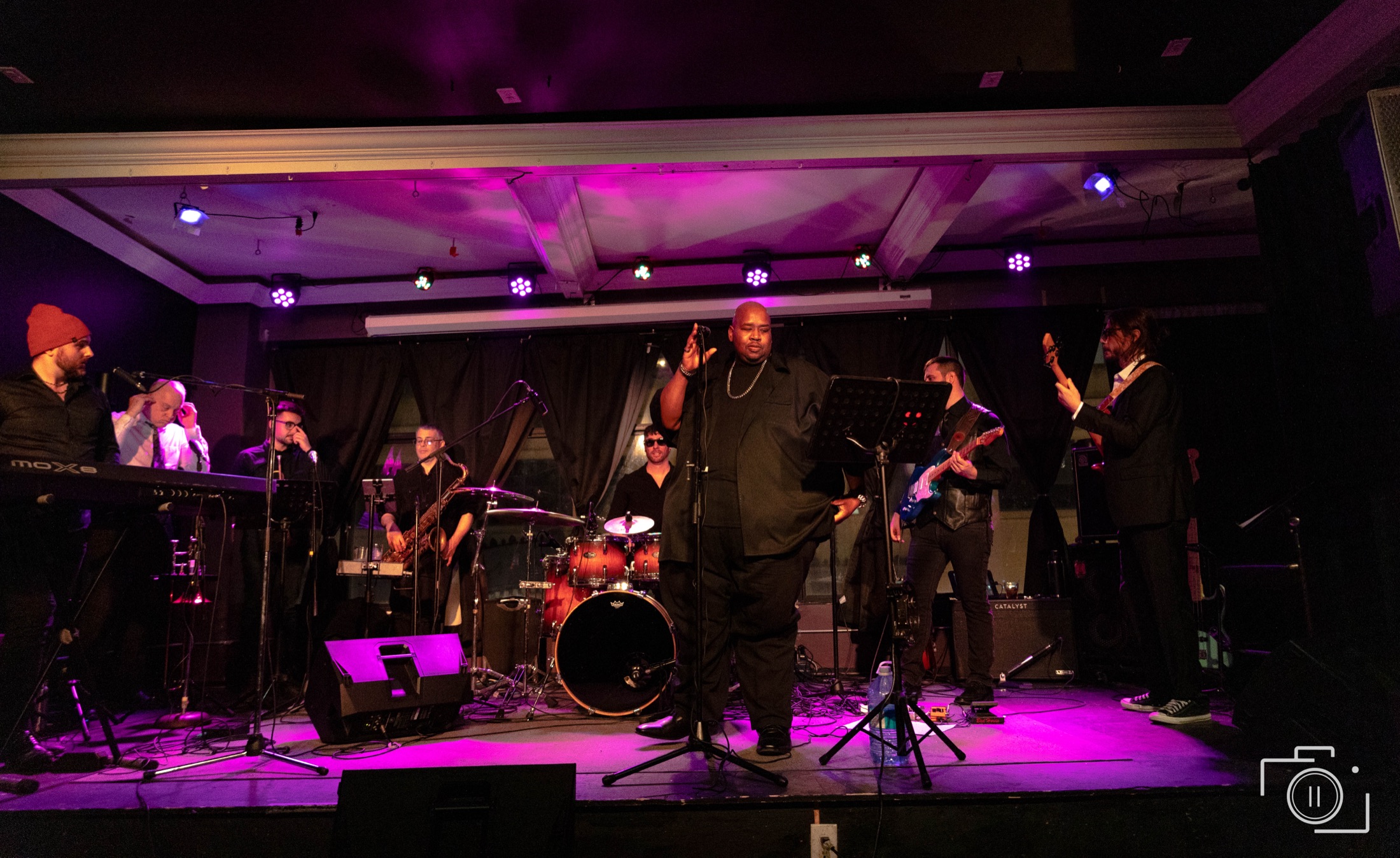
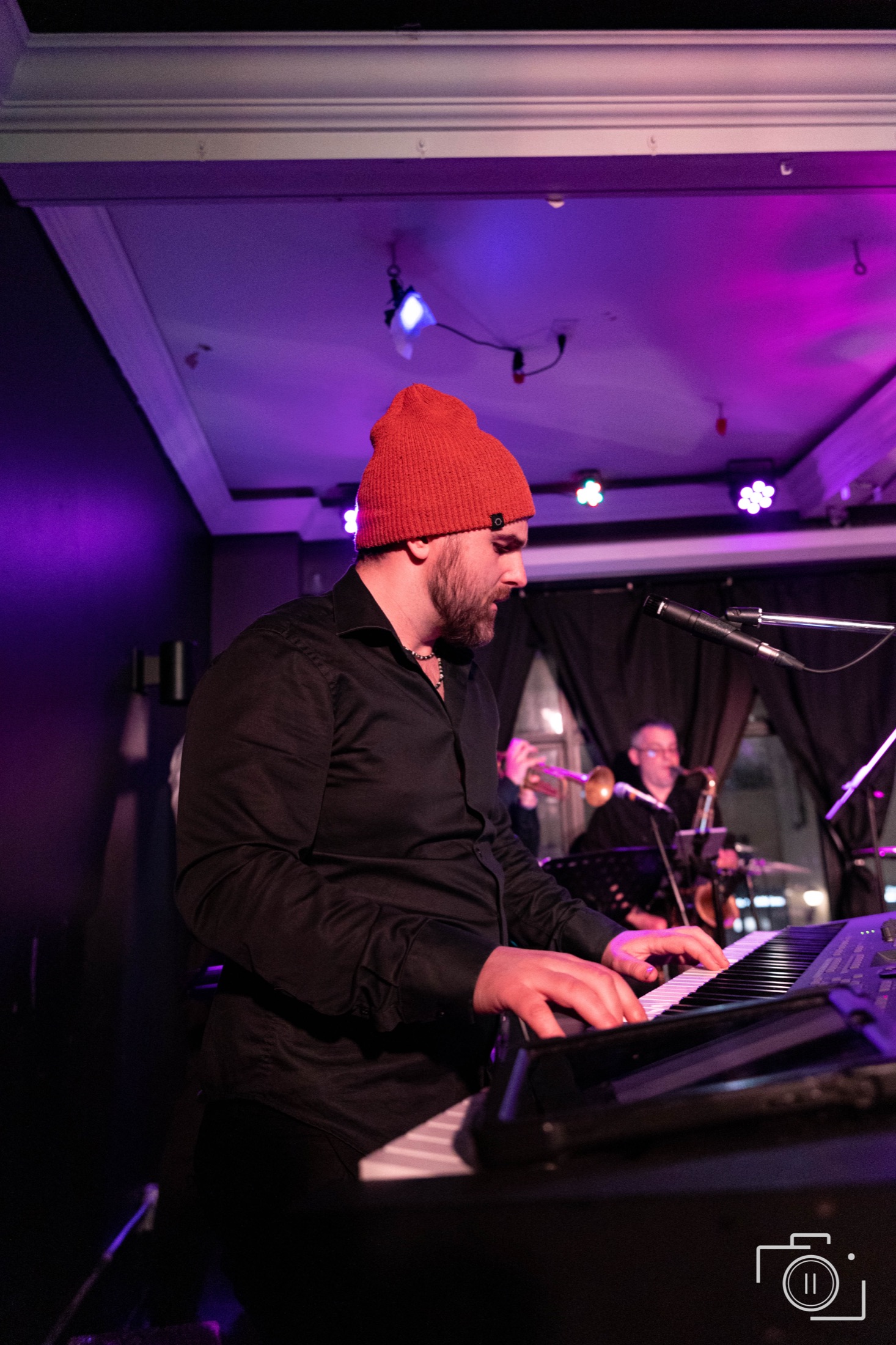
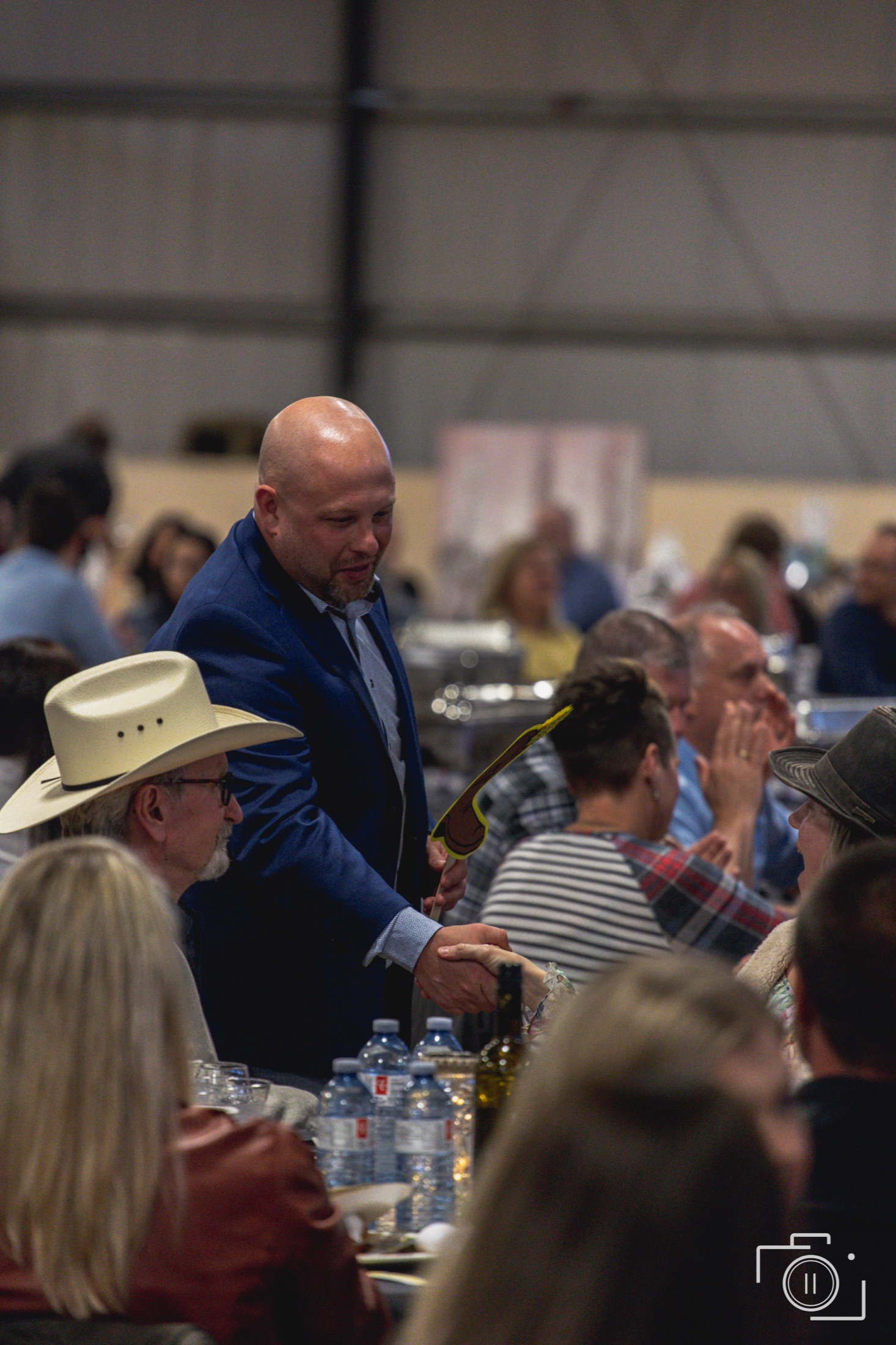
"We've hired photographers for this event three years running. The images from this year aren't even close. He doesn't disrupt the room — he just captures it."
— Spencer, Annual Gala
Coverage examples
Proof pages that back up the commercial pitch.
Start with WETRA Blue Jean Bash for gala coverage, GalaxyCon Columbus for conventions, and BMW M6 Southfield for automotive / activation-adjacent proof.
Process
A conversation about the schedule, the people, the moments you need captured, and the ones you don't even know to expect yet.
Candid and unobtrusive. The camera doesn't change the room — it just watches it.
Fully edited, curated, and delivered in a private gallery — ready to use. Standard turnaround: 5–7 business days. Rush delivery available.
Deliverables
Every project includes a complete, edited, organized delivery — ready for sponsor decks, donor follow-up, guest-facing marketing, social rollout, and internal recap use the moment it arrives.
Reach out with the date, location, room type, and sponsor or guest profile. Brian takes it from there.
Build Your Estimate →Also offered
Looking for brand or commercial photography?
Brand & Commercial →Build from city, niche, or proof
Dedicated pages with rates, venues, and coverage notes exist for each market: Windsor, Detroit, Toronto, Chicago, Cleveland, Columbus, New York, Los Angeles, Boston, Calgary, Vancouver, Mexico City, Cancún, Tulum, San Miguel de Allende, and Chihuahua. From there, route into conventions, brand activations, nightlife, galas, destination events, or bilingual coverage. For complex multi-day or access-based scopes, use the custom inquiry form.